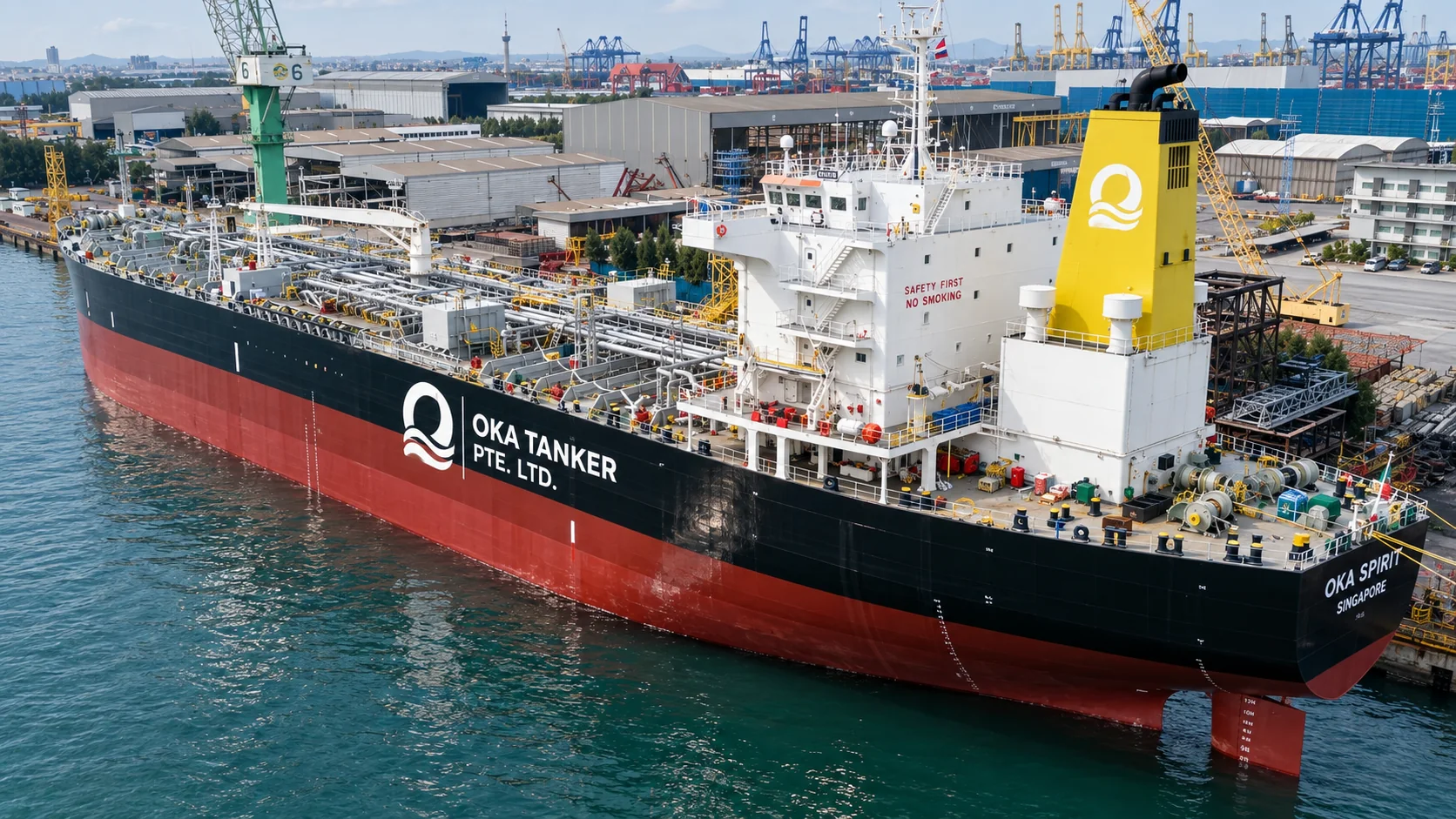
Maritime
Connecting vessel movements to cargo requirements
How coordinated voyage planning, port windows and terminal interfaces support reliable energy logistics.
Read article ↓
Company and industry insights.
How coordinated voyage planning, port windows and terminal interfaces support reliable energy logistics.
Read article ↓
Storage, berth scheduling, transfer and documentation must work together across the cargo journey.
Read article ↓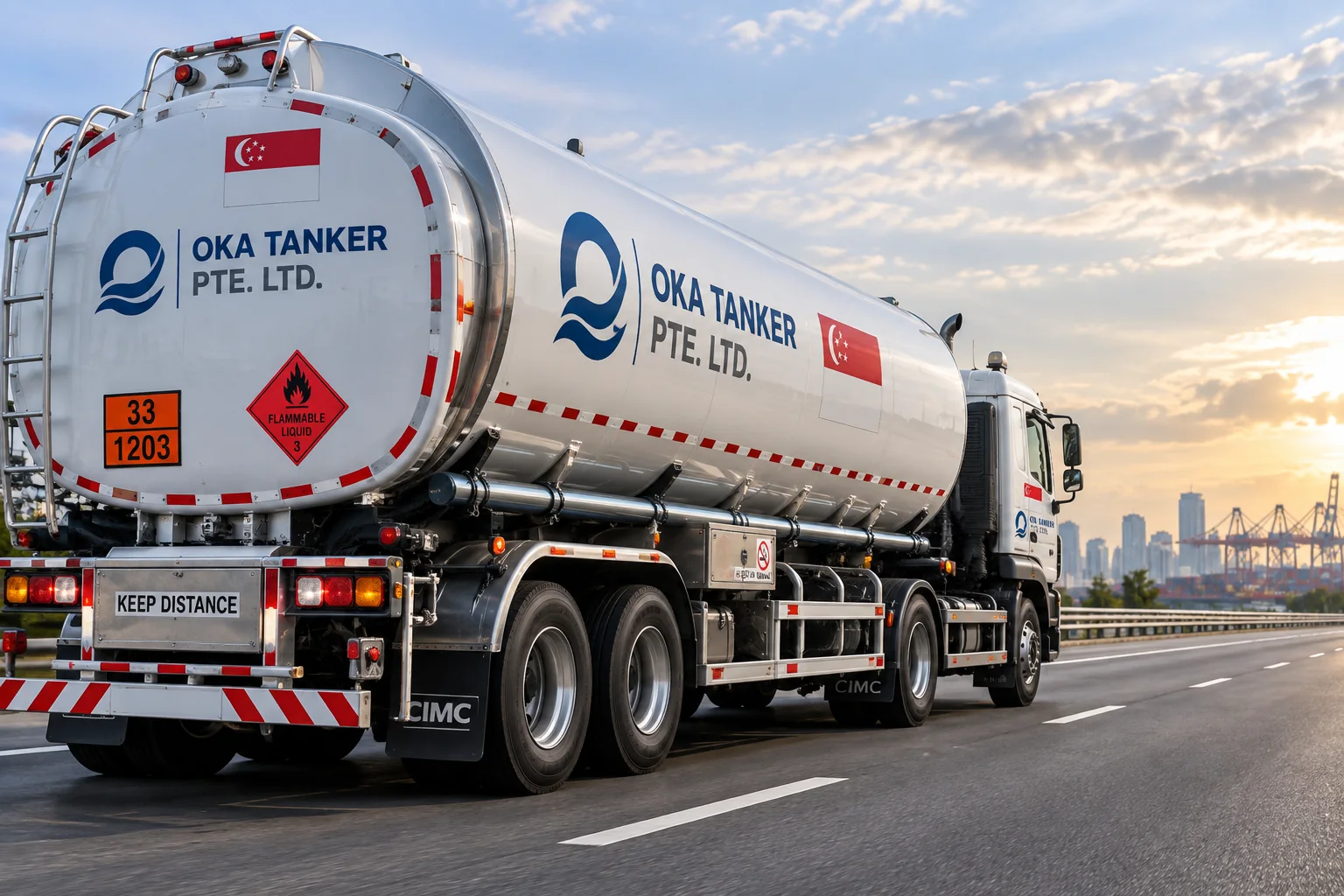
Rotterdam, Houston, Fujairah, Singapore and China connect major supply and demand corridors.
Read article ↓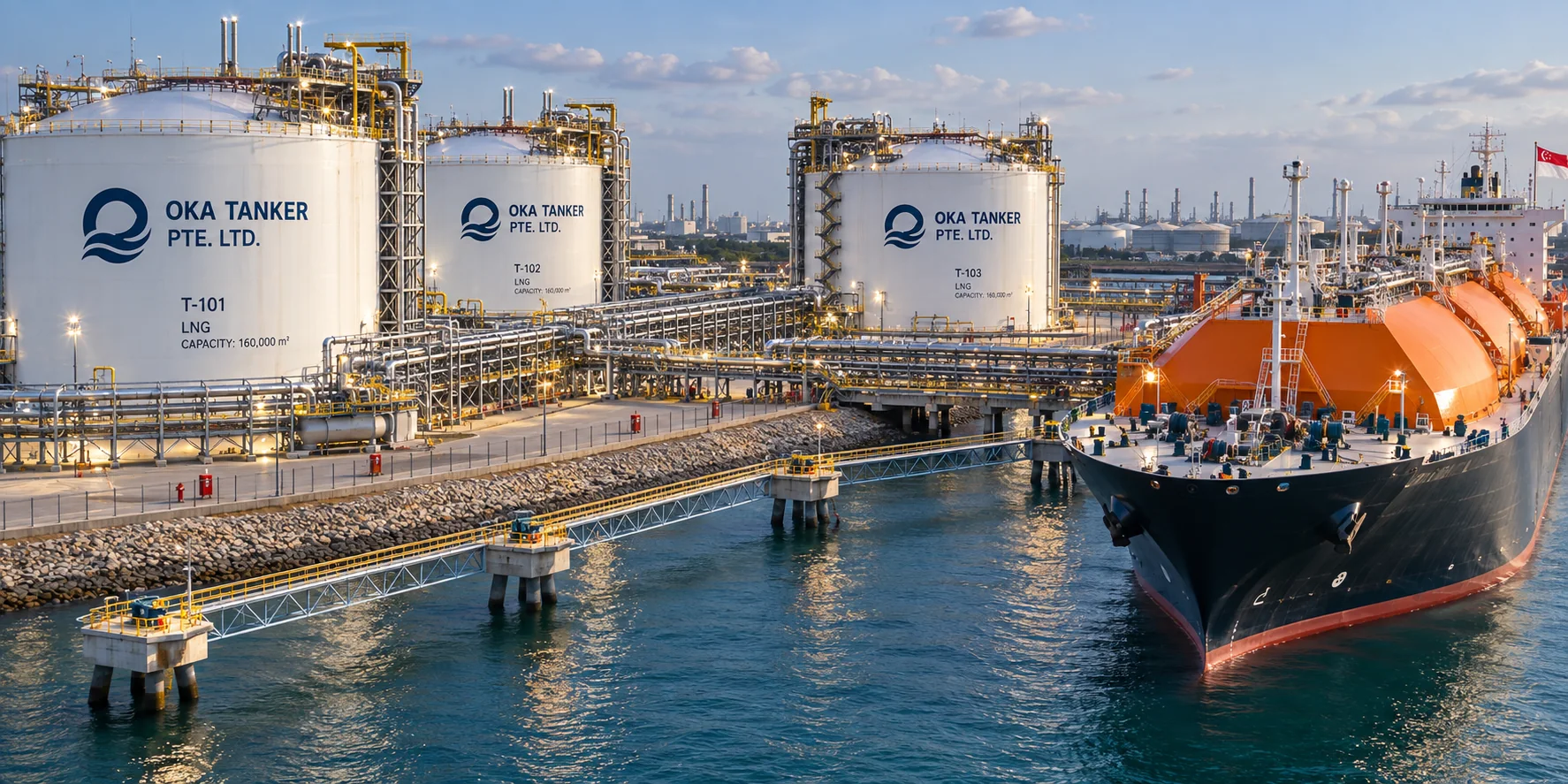
Infrastructure and marine logistics need to adapt as new energy products and sustainable feedstocks develop.
Read article ↓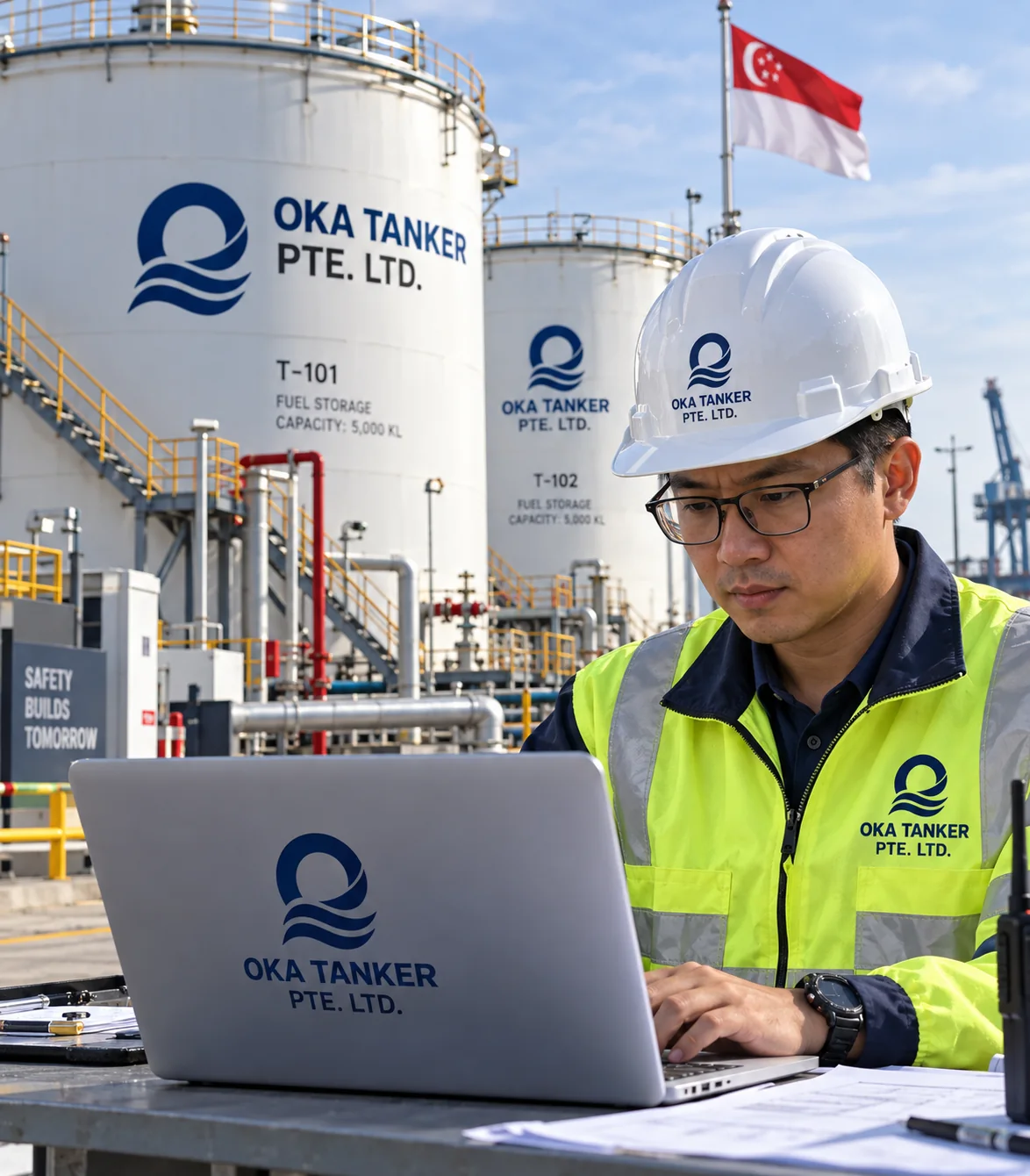
Effective maritime logistics depends on disciplined communication and clear operational handoffs.
Read article ↓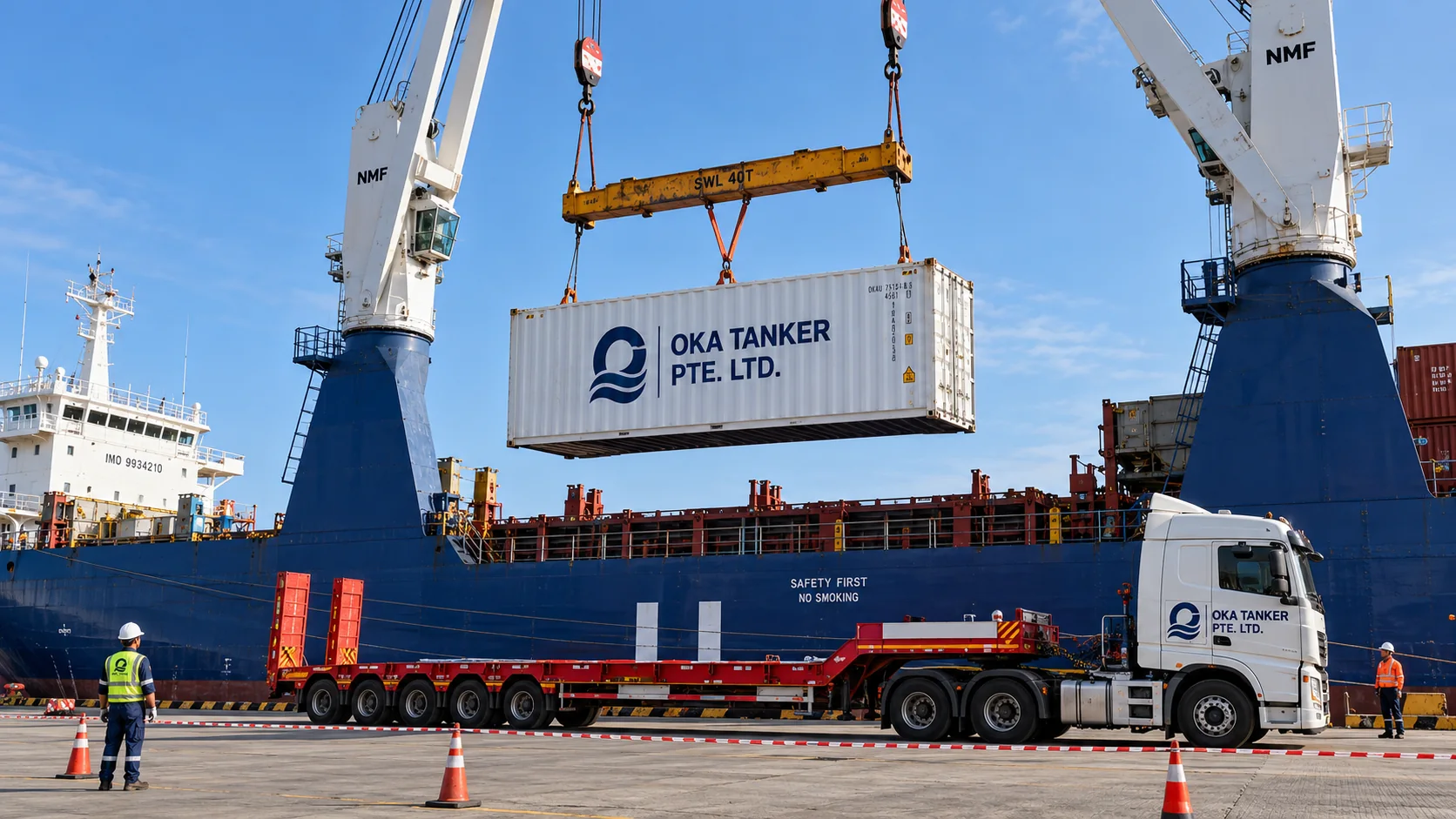
Commercial, vessel and terminal stakeholders benefit when key milestones remain visible and coordinated.
Read article ↓Energy logistics is shaped by the relationship between cargo readiness, vessel nomination, port windows and terminal availability. A coordinated operating approach helps commercial and marine teams work from the same movement plan.
For each shipment, the practical objective is to keep the sequence visible: cargo preparation, vessel scheduling, port clearance, loading or discharge, documentation and onward movement.
Terminal activity brings together tanks, pipelines, berth schedules, pumps, hoses, inspection requirements and custody-transfer records. Delays in one interface can affect the wider cargo schedule.
OKA TANKER's terminal coordination model focuses on aligning operational milestones and documentation with the requirements of the applicable facility.
OKA TANKER's operating footprint includes Rotterdam, Houston, Fujairah, Jurong/Singapore and major Chinese ports. These locations provide access to important maritime, refining, petrochemical and trading corridors.
Port and terminal availability remains dependent on cargo requirements, berth windows, commercial arrangements and applicable local operating conditions.
As energy markets evolve, marine and terminal logistics must accommodate different products, handling requirements and supply-chain patterns. The transition also creates new requirements around storage, segregation, transfer and documentation.
OKA TANKER's energy-transition approach is focused on logistics coordination and infrastructure interfaces rather than making unsupported claims about specific future facilities.
Marine operations depend on clear communication between vessel operators, terminals, cargo interests, agents and service providers. Defined responsibilities and timely documentation help reduce avoidable operational friction.
Our operating philosophy places emphasis on disciplined coordination, accurate information and professional communication throughout the movement.
Shipment visibility is most useful when it connects commercial milestones with real operational events. Vessel status, berth timing, cargo readiness and terminal instructions can then be understood as one movement plan.
OKA TANKER uses this connected view to support communication across the maritime logistics chain.